The exact printing
Set, number, rarity, finish, and language, read off the card so the sales it compares against are sales of your card rather than the cheapest reprint of the name.
 CardLens
Card scanners
Card values
Tools
Language
Card value scanner
CardLens is a card value scanner for iPhone. It identifies the exact printing from a photo, then shows a value range anchored to recent eBay sales of that printing wherever the market has them, with the sales listed and a condition grade beside them. It works the same way for Pokémon, Magic, Yu-Gi-Oh!, One Piece, and Disney Lorcana.

Black Lotus
Limited Edition Beta · Black border
Sample result. Values move with the market; the app shows the current range when you scan.
What one scan returns
A card's value is what copies like it have been selling for recently, in the same condition. That takes three facts, and the scanner gets all three from one photo.
Set, number, rarity, finish, and language, read off the card so the sales it compares against are sales of your card rather than the cheapest reprint of the name.
An estimate anchored to recent eBay sales of that printing, presented as a range because a market is a range. The sales are in the app, so you can see the evidence and judge the spread.
A condition grade for raw cards and a read of the label on graded ones, because a Near Mint copy and a Lightly Played copy of the same card sell for different money.
How value works
Most price lookups give you a single number from a feed. CardLens gives you the sales, and it does the identification that makes them the right sales.
A listing is what the seller wants. The recent sales are what buyers have been paying, and that is the number you can defend at the table. eBay is the largest open record of trading card transactions across every game and every era, and it updates every day. CardLens anchors its estimate to recent sales of the exact printing wherever the market has them, and shows them.
When the sales are close together, the range is tight. When they are spread out, the range is wide, and that spread is information: it tells you the card is thinly traded or condition-sensitive.
Charizard has had well over a hundred English printings. Lightning Bolt has dozens. Blue-Eyes White Dragon has been printed in more rarities than most collectors can name. A value lookup by name alone lands on the wrong card most of the time. The scanner reads the collector number, set symbol or code, rarity marks, foil pattern, and language from the photo, and that is what makes the sales it finds the right ones.
Each game has its own rules for this, and each game has its own value guide on this site.
A PSA 10 of a vintage holo sells for many times a raw Near Mint copy. A card in a slab is matched by its label and its grade is recorded with the match; a raw card gets a condition estimate. The sales behind each range show you how raw copies and graded copies have been trading, which is the fastest way to decide whether a card is worth grading.
The condition grade on every scan is what keeps the two markets from blurring into one misleading number.
Save a card and it keeps its match, its grade, and its range. Reopen it and CardLens refreshes the market evidence behind the range, so a card scanned months ago reflects this month's sales when you decide to sell. The vault total is built the same way, across every game you collect.
In the catalog
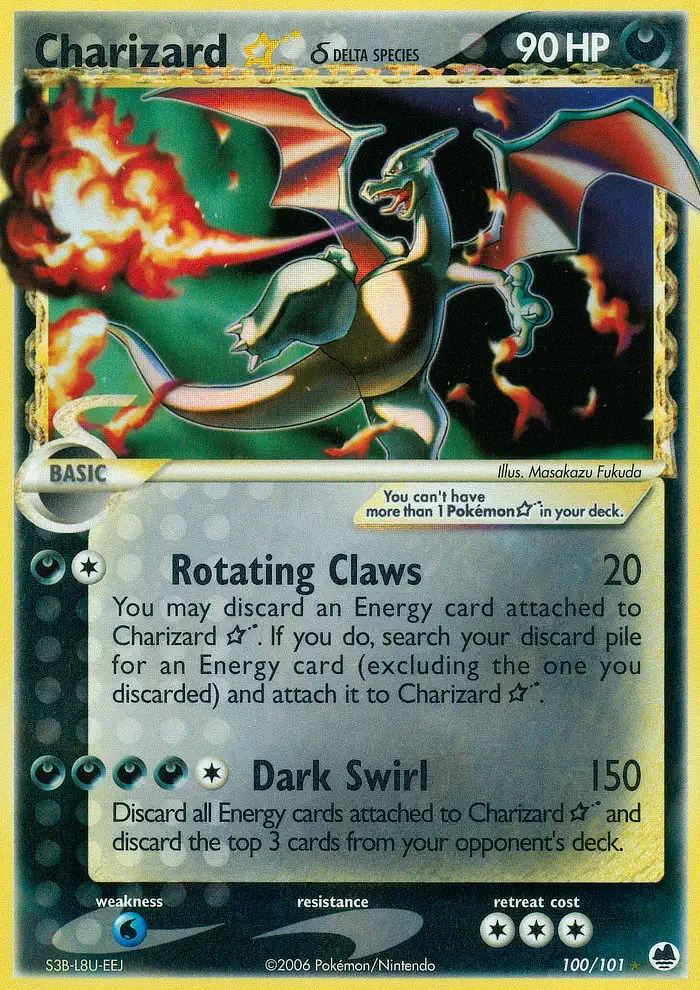 Charizard ★ δPokémon · EX Dragon Frontiers 100/101Black LotusMagic · Limited Edition Beta
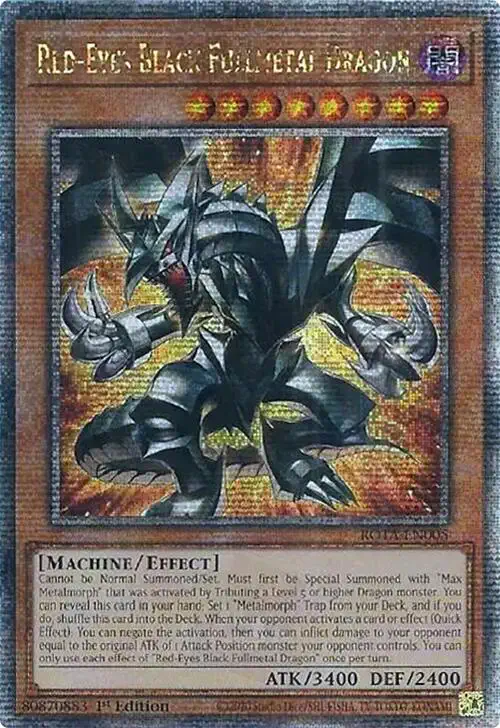 Red-Eyes Black DragonYu-Gi-Oh! · Quarter Century Secret Rare
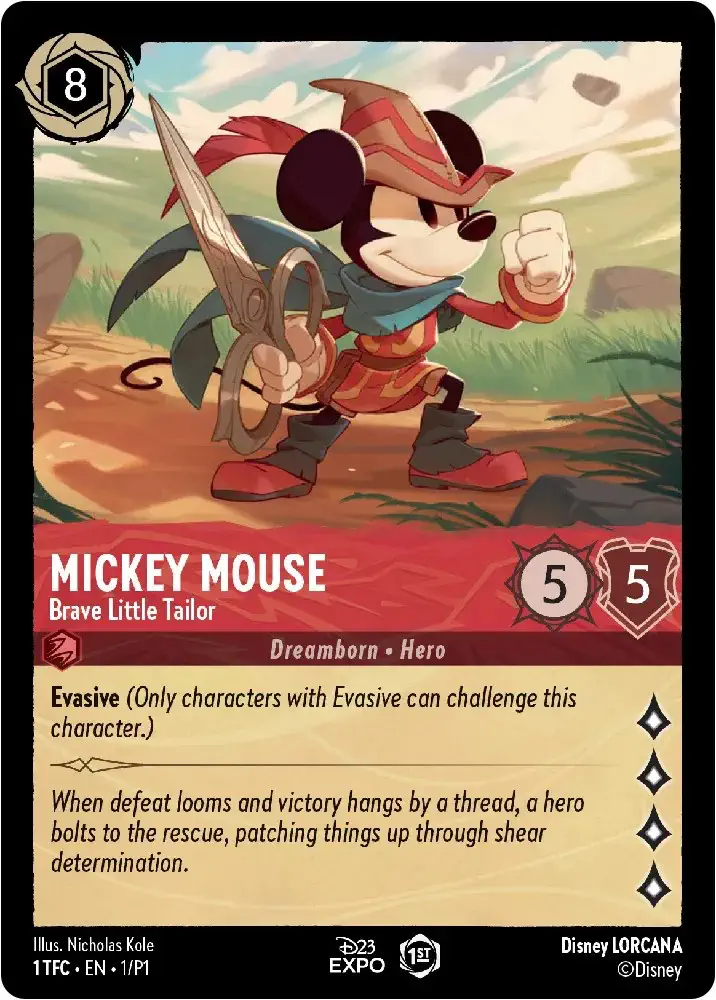 Mickey MouseDisney Lorcana · D23 Expo 2022 promo
How it works
Plain surface, even light, every edge in the frame. CardLens crops the card to a clean cutout and reads the identifiers.
The set, number, rarity, finish, and language appear together. Check the number against the card and the match is settled.
The value range appears with the eBay sales behind it and a condition grade. Save it to the vault and the collection total updates.
Before you buy or sell
A minute with the scanner gives you the printing, the recent sales, and the condition. Price the listing off that and it sells instead of sitting.
At a show or a shop, a scan shows what copies of the card sold for recently. Pay the right price, or walk away knowing why.
Reopen a saved card and its market evidence refreshes. The wishlist keeps the cards you are chasing in the same app as the sales that price them.
Questions
CardLens scans a card from a photo on iPhone, identifies the exact printing, and shows a value range built on recent eBay sales of that printing, with the sales listed. It covers Pokémon, Magic, Yu-Gi-Oh!, One Piece, and Disney Lorcana.
It works as a card price checker for Pokémon, Magic, Yu-Gi-Oh!, One Piece, and Lorcana: scan the card, confirm the printing, and see a value range built on recent eBay sales with the sales listed. It is free to download on iPhone.
From an AI estimate anchored to recent eBay sales of the same printing, returned through the eBay API where available. The app shows the sales so you can see the evidence.
As accurate as its identification and its evidence. CardLens matches the exact printing, including finish and language, and ties the range to sales of that printing, which is the same check an experienced seller does by hand before listing.
Scanning runs in the CardLens iPhone app. This site explains what the scanner reads for each game, but the camera, the catalog match, and the eBay evidence live in the app, which is free to download.
CardLens is built for trading card games: Pokémon, Magic: The Gathering, Yu-Gi-Oh!, One Piece Card Game, and Disney Lorcana.
Free on the App Store
Free on the App Store. The exact printing, recent eBay sales, and a condition grade, from one photo.